Jamaican Food Meals That Deliver Big Flavor
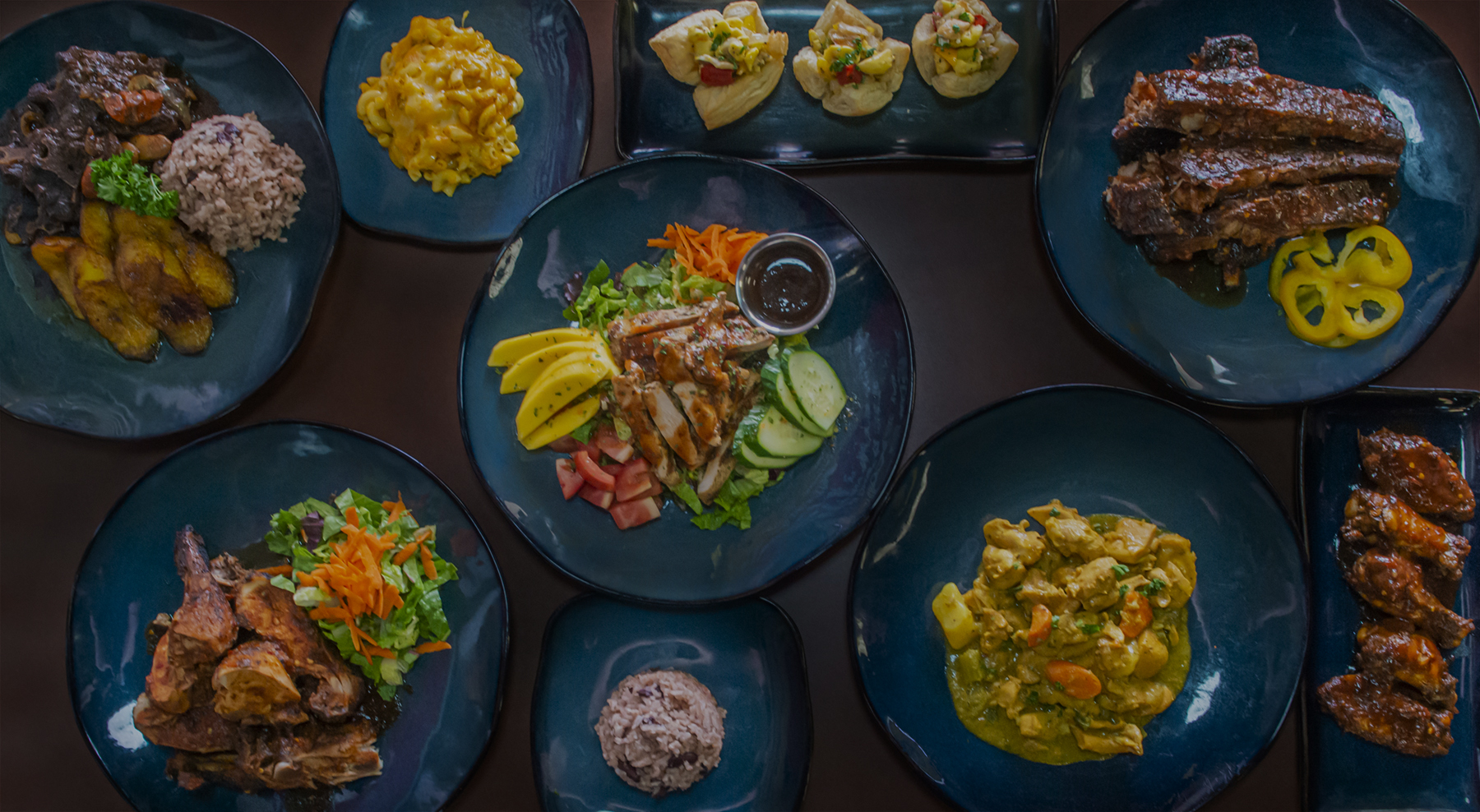
Jamaican food has a way of announcing itself before it ever reaches the table. You smell scallion and thyme in hot oil, catch the smoke of pimento wood, notice the deep color of browning sauce or curry powder, and by the time the plate lands in front of you, the appetite is already halfway to satisfied. Few cuisines create that kind of anticipation so reliably.
What makes Jamaican food memorable is not just heat, though Scotch bonnet peppers certainly have their place. It is the layering. Savory meats are seasoned well past the surface. Rice is rarely plain. Gravies carry the work of time, spice, and stock. Fried elements bring crunch against stewed components. Acid, sweetness, smoke, and herbal freshness often share the same bite. When the cooking is right, the result feels bold without becoming chaotic.
For anyone new to Jamaican food, the variety can be surprising. The meals many people first encounter, jerk chicken, curry goat, oxtail, are only part of the picture. Daily cooking across Jamaica also includes steamed fish, rundown, callaloo, soup, patties, festival, bammy, and an entire world of breakfast and street foods that deserve more attention than they get. The common thread is flavor that feels built rather than sprinkled on at the end.
Where the big flavor really comes from
The strongest Jamaican meals begin long before cooking. Seasoning is not treated as a cosmetic step. Proteins are often washed, trimmed, rubbed with spices, and left to absorb a green seasoning blend made with ingredients such as scallion, thyme, garlic, onion, ginger, pimento, and Scotch bonnet. Even dishes that look simple on the plate can involve several stages of layering flavor.
Pimento, often called allspice outside the Caribbean, is one of the signatures that people recognize without always being able to name it. It gives jerk and many stewed dishes a warm, aromatic depth that sits somewhere between clove, cinnamon, and pepper. Thyme is another pillar. Jamaican thyme can be especially assertive, and when it cooks into a pot of rice and peas or fish tea, it leaves a fragrance that feels inseparable from the dish itself.
Scotch bonnet peppers are often misunderstood by diners who assume Jamaican cooking is meant to be punishingly hot. In practice, good cooks use them with control. A whole pepper may simmer in a pot to perfume the dish without breaking open. In other cases, it is chopped finely for direct heat. The goal is balance. A plate should taste lively and distinct, not one dimensional.
Then there is browning, the dark sauce made from caramelized sugar, used in many stews. It brings color and a bittersweet edge that deepens gravies. Add to that fresh herbs, ginger, curry powder, coconut milk, salted meats in some recipes, and plenty of patient simmering, and you start to understand why Jamaican food can taste so complete.
Jerk, the dish most people know, and the one most often misunderstood
Jerk chicken is usually the first Jamaican food meal people seek out, and it deserves the attention, though a lot depends on where you get it. Proper jerk is smoky, spicy, herbaceous, and slightly charred, with seasoning that reaches beyond the skin. If it has only surface spice and generic grill marks, it may still be tasty, but it is not showing the dish at full strength.
Traditional jerk cooking has roots in preservation and marination, with meat cooked slowly over pimento wood. That smoke matters. It gives the final dish a sweetness and aroma that cannot quite be replicated in a standard oven. Good jerk chicken should be juicy inside, with dark edges where the marinade has caramelized. The spice mix usually includes pimento, thyme, scallion, garlic, ginger, and Scotch bonnet, often with soy sauce, vinegar, and sometimes a touch of sugar or browning to round things out.
Jerk pork is, to my taste, where the style becomes even more compelling. Pork takes smoke beautifully, and its richness stands up to heavy seasoning without losing itself. At a roadside jerk pan or in a well-run takeaway, chopped jerk pork with festival and a little extra pepper sauce can be the kind of meal you think about days later. The fat carries flavor, the char adds bitterness, and the sweetness of the fried dough balances the heat.
The trade-off https://www.showmelocal.com/40349206-reggae-pot-jamaican-grill-centennial with jerk is that intensity can hide technical flaws. Overcooked chicken can still seem flavorful if the seasoning is aggressive enough. That is why the best places stand out. They deliver texture and moisture as well as spice. You taste the meat, not just the marinade.
Oxtail, rich and slow, earns its place
Oxtail is one of the most beloved Jamaican food meals for good reason. It is not subtle, and it is not light, but when prepared well it is one of the most satisfying dishes in the cuisine. The pieces are seasoned, browned, and braised until the collagen breaks down into the gravy. What begins as a tough cut becomes tender enough to pull apart with a fork, while the sauce turns glossy and concentrated.
Beans often appear in the pot near the end, soaking up the richness and adding a softer, earthy contrast to the meat. The gravy itself is where a lot of the pleasure lies. It is usually dark, aromatic, and thick enough to cling to rice without becoming gluey. You get spice from pepper, sweetness from onion and browning, depth from stock and herbs, and that unmistakable beefy body that only a long braise can deliver.
Oxtail also shows one of the strengths of Jamaican cooking: it treats starch as a partner, not a filler. Rice and peas under a spoonful of oxtail gravy is not an afterthought. It is the platform that catches every drop. Add steamed cabbage or plantain on the side and the plate feels complete.
Because oxtail has become expensive in many markets, quality varies. Some restaurants stretch the dish with too much gravy and too little meat, or rush the braise so the flavor never fully develops. When you find a version that is deeply seasoned, genuinely tender, and generous with sauce, it is worth ordering every time.
Curry goat is a masterclass in spice and patience
Curry goat is another standard bearer, particularly at celebrations and Sunday meals. The curry itself reflects a distinct Caribbean approach rather than a direct copy of Indian curries. The powder blend is often more roasted, earthy, and rounded, and it works with goat in a way that feels entirely its own. Goat has a deeper flavor than chicken and a cleaner profile than some lamb, which makes it ideal for long simmering in a boldly seasoned sauce.
A strong curry goat should taste of toasted spices, garlic, thyme, ginger, and pepper, with enough cooking time for the meat to soften while holding its structure. Undercooked goat is the quickest way to ruin the dish. It should not fight the bite. At the same time, curry that is too thin or too greasy loses its appeal fast. The right version coats the meat and seeps into rice without pooling like soup.
This is one of those meals that often tastes even better after resting. The spices settle, the meat relaxes, and the sauce thickens naturally. In home kitchens, it is common for cooks to make curry goat for gatherings because the dish rewards advance preparation. It also scales well, which matters when feeding a crowd.
If you are deciding between jerk and curry goat at a Jamaican restaurant, the choice often comes down to mood. Jerk is smoky and immediate. Curry goat is slower, fuller, and more enveloping.
Brown stew chicken proves everyday food can still be unforgettable
Not every standout Jamaican meal needs to be a special-occasion dish. Brown stew chicken is one of the clearest examples of how daily cooking can deliver serious flavor with accessible ingredients. The chicken is typically seasoned, browned, then simmered with onion, tomato, thyme, scallion, garlic, bell pepper, and a little browning until the sauce comes together.
The appeal lies in the balance. It is savory but not heavy, rich but not exhausting. The vegetables soften into the gravy, adding sweetness and acidity, while the chicken absorbs all that seasoning. A good brown stew chicken plate can satisfy in the same way a roast chicken dinner does, but with more aromatic complexity and more personality in the sauce.
It is also a dish that reveals a cook’s instincts. Too much browning and the stew turns bitter. Too little time and it tastes disjointed. Too much tomato and it drifts in another direction entirely. The best versions keep every element in proportion, with enough gravy to soak into rice and enough structure for the chicken to remain distinct.
For people hesitant about spice, brown stew chicken is often a smart entry point into Jamaican food. It carries the cuisine’s signature herbs and seasonings without leading with heat.
Escovitch fish, steamed fish, and the coastal side of the table
Jamaican food is often represented abroad through meat-heavy restaurant plates, but fish dishes are among the cuisine’s most striking meals. Escovitch fish starts with fried whole fish, often snapper, then tops it with a sharp, lightly pickled dressing of onion, carrot, bell pepper, and Scotch bonnet. The contrast is the point. Crisp fish skin, moist flesh, bright vinegar, and pepper heat all arrive at once.
A good escovitch should feel vivid rather than harsh. If the fish is fried too far, it dries out. If the pickled vegetables are too acidic, they overpower the flesh. But when the proportions land, the dish wakes up the palate in a way heavier braises cannot.
Steamed fish offers a different kind of depth. It is often cooked with okra, carrot, pumpkin, cho cho, onion, thyme, and pepper in a broth that can be light or substantial depending on the cook. Some versions become almost medicinal in the best sense, fragrant, restorative, and layered with natural sweetness from the vegetables. Others are richer, especially if coconut milk enters the pot.
These dishes remind people that Jamaican flavor does not always rely on dark gravies or heavy smoke. It can be clean, bright, and deeply aromatic without losing intensity.
The supporting cast is never really supporting
One reason Jamaican food meals feel so generous is that side dishes and accompaniments are rarely bland. Rice and peas, probably the most recognized side, is not just rice with beans stirred through it. The rice is usually cooked with coconut milk, thyme, scallion, garlic, and sometimes allspice, giving it a fragrance and richness of its own. It can be soft and fluffy or a little firmer depending on region and cook, but it should always carry flavor.
Festival, the slightly sweet fried dough often served with jerk or fish, does more than add bulk. Its sweetness and crisp exterior create relief against smoke, pepper, and salt. Bammy, made from cassava, brings a different texture, chewy, toasted, sometimes soaked lightly before frying. Fried ripe plantain contributes caramel notes and softness. Steamed cabbage offers freshness and a little crunch when the rest of the plate leans rich.
Then there are the breakfast and snack staples that can become meals in their own right. Ackee and saltfish, often called Jamaica’s national dish, is particularly revealing. Ackee has a delicate, buttery texture unlike much else, and when cooked with salted cod, onion, tomato, scallion, thyme, and pepper, it becomes both comforting and deeply savory. Served with fried dumplings, boiled green bananas, yam, or breadfruit, it easily carries a table.
Callaloo with saltfish, liver, or just onions and tomatoes can also anchor breakfast or lunch. Soup, especially red peas soup or mannish water, is more substantial than the word soup sometimes suggests. These are bowls built to sustain people through work and weather.
If you are ordering Jamaican food for the first time
The menu can look straightforward until you realize how much depends on style, sides, and kitchen strengths. Some restaurants specialize in smoked meats. Others are stronger with stews or seafood. If you only order by popularity, you can miss the dishes that a particular kitchen handles best.
A few practical choices tend to help:
- Pick one smoky dish and one sauced dish if you are sharing, so you get range.
- Order rice and peas when available, especially with oxtail, curry goat, or stew.
- Ask how spicy the kitchen runs, because heat levels vary widely.
- Do not skip a side like festival, plantain, or cabbage, since balance is part of the meal.
- If there is fish on the menu and the place moves seafood regularly, consider it.
That last point matters more than many diners realize. High-turnover fish dishes often tell you a lot about a restaurant’s confidence and clientele. A place known mainly for jerk may still produce excellent escovitch, but the opposite can also be true.
Cooking Jamaican meals at home means respecting the prep
Home cooks sometimes underestimate how much of Jamaican food happens before the heat is turned on. The seasoning process, the marination, and the patience during simmering all matter. You do not need specialized equipment to produce strong results, but you do need to resist shortcuts that flatten the flavor.
Fresh thyme, scallion, onion, garlic, ginger, black pepper, pimento, and Scotch bonnet form a reliable backbone for many dishes. Browning is useful but should be handled carefully, since too much can push food into bitterness. Coconut milk should support rather than smother. Stock is preferable to water when the dish depends on a sauce. And salt needs to be judged with awareness, especially if cured or salted ingredients are involved.
One common mistake with home versions of jerk is leaning too hard on sweetness. Marinades loaded with sugar burn before the meat cooks through and can create a sticky exterior that tastes more like barbecue glaze than jerk. Another mistake is treating curry powder as the whole story in curry goat or curry chicken. It needs aromatics, fat, and time in the pot to bloom properly.
For cooks trying Jamaican food for the first time, brown stew chicken is often the best starting point. It teaches seasoning, browning, and sauce building without the longer commitment of oxtail or goat. Rice and peas can come next, since that dish teaches restraint as much as richness. The coconut should be present, not dominant. The herbs should be noticeable, not raw.
Why these meals stay with people
Big flavor can mean many things. Sometimes it means pure intensity. Sometimes it means complexity that unfolds over a meal rather than hitting all at once. Jamaican food does both. A plate of jerk can be loud in the best possible way. A bowl of curry goat can feel slow, deep, and warming. Escovitch can sharpen the appetite. Ackee and saltfish can comfort without turning dull. Even the starches and vegetables carry enough character to matter.
That is why Jamaican food travels well across settings. It works as street food, family food, celebratory food, and restaurant food. It can be served from a roadside grill wrapped in foil, from a steam table at lunchtime, or from a formal dining room with polished plating, and it still keeps its identity. The meals are built on technique, not trend.
People often talk about craving Jamaican food when what they really mean is craving food with conviction. Food that tastes like someone cared enough to season it properly, cook it fully, and serve it with elements that belong together. That is the real appeal. Jamaican meals do not flirt with flavor. They commit to it.
If you want a cuisine that rewards appetite, attention, and curiosity, Jamaican food offers more than enough. Start with jerk if you like, or go straight to oxtail, curry goat, or escovitch fish. Pay attention to the rice, the gravy, the heat, the herbs, and the smoke. The details are where the power lives, and once you notice them, big flavor stops feeling like a slogan and starts tasting like the real thing.
Reggae Pot Jamaican Grill
7562 S University Blvd C, Centennial, CO 80122
(303) 997-5623
FAQ About jamaican food
What is the best Jamaican food to try in Centennial?
The best choice depends on your preferences. Reggae Pot Jamaican Grill offers jerk chicken, curry goat, oxtail, and escovitch snapper, along with sides such as rice and peas and fried plantains. Ask the restaurant about current availability and spice levels before ordering.
Is Jamaican food very spicy in Centennial?
Heat varies by dish and preparation. Jerk dishes can be hot, while some stews and sides are milder. Tell the restaurant your preferred heat level and ask which options suit you.
What is typically on a Jamaican menu?
Common choices include jerk chicken, curries, oxtail, fish, patties, rice and peas, and plantains. Reggae Pot also lists ackee and saltfish and vegetable dishes. Menus and availability can change, so confirm your choices when ordering.